
Founded in 1994, the Max Planck Institute for the History of Science (MPIWG) in Berlin is one of the more than 80 research institutes administered by the Max Planck Society in the sciences and humanities. The Institute comprises two departments under the direction of Etienne Benson (II), and Dagmar Schäfer (III). Jürgen Renn headed Department I from 1994 to 2023. Hans-Jörg Rheinberger, who headed Department III from 1995 to 2014, and Lorraine Daston, who headed Department II from 1995 to 2019, remain at the MPIWG as emerita. The two directors administer the Institute collectively; the position of Executive Director rotates every two to three years. Dagmar Schäfer has served as Executive Director since February 2023.
Besides the research departments, there are several Research Groups, each directed by one Research Group Leader. Various institutions, such as the Max Planck Society and the German Research Fund (DFG) fund them. They are independent in their research programs.
An International Max Planck Research School “Knowledge and Its Resources: Historical Reciprocities” (IMPRS-KIR) opened in September 2022. The graduate school is a joint project of the MPIWG with Berlin’s Freie Universität, Humboldt-Universität, and Technische Universität as part of the Berlin Center for the History of Knowledge.
Since its inception, the Institute has approached the fundamental questions of the history of knowledge from the Neolithic era to the present day. Researchers pursue a historical epistemology in their study of how new categories of thought, proof, and experience have emerged in interactions between the sciences and their ambient cultures.
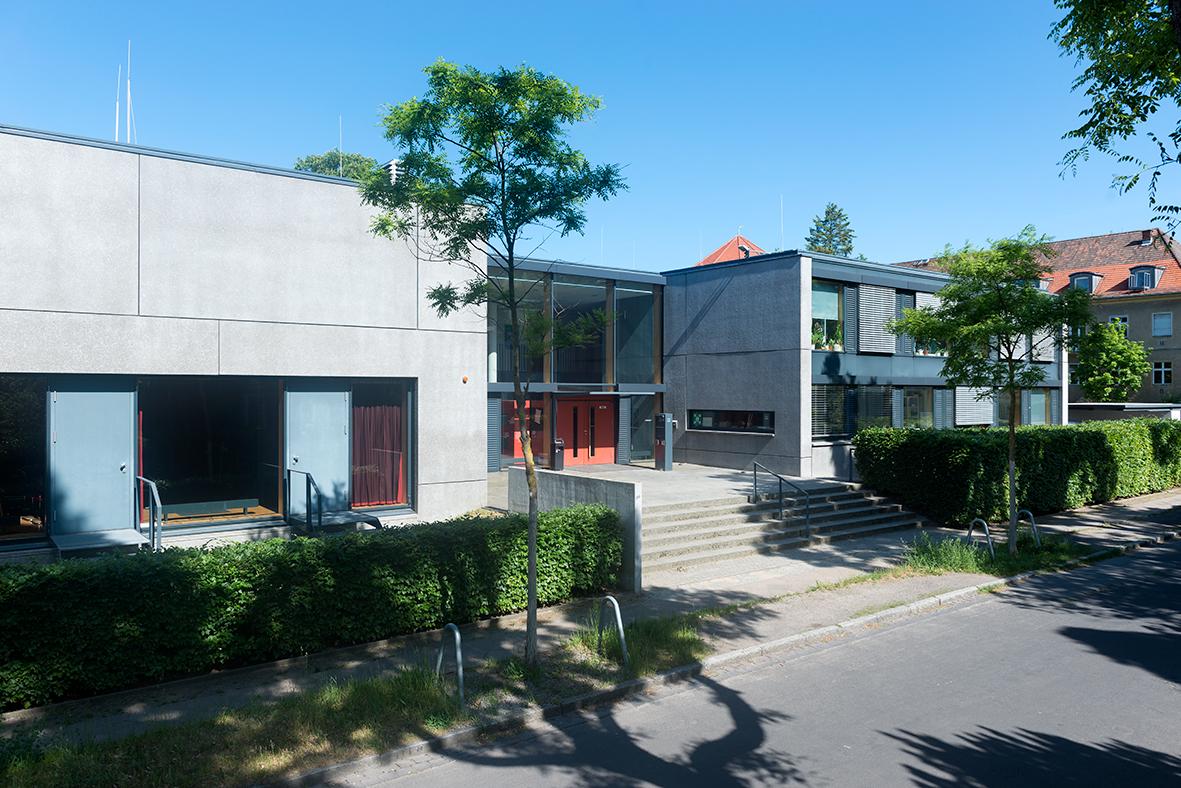
Photo: © 2017 www.setform.de.
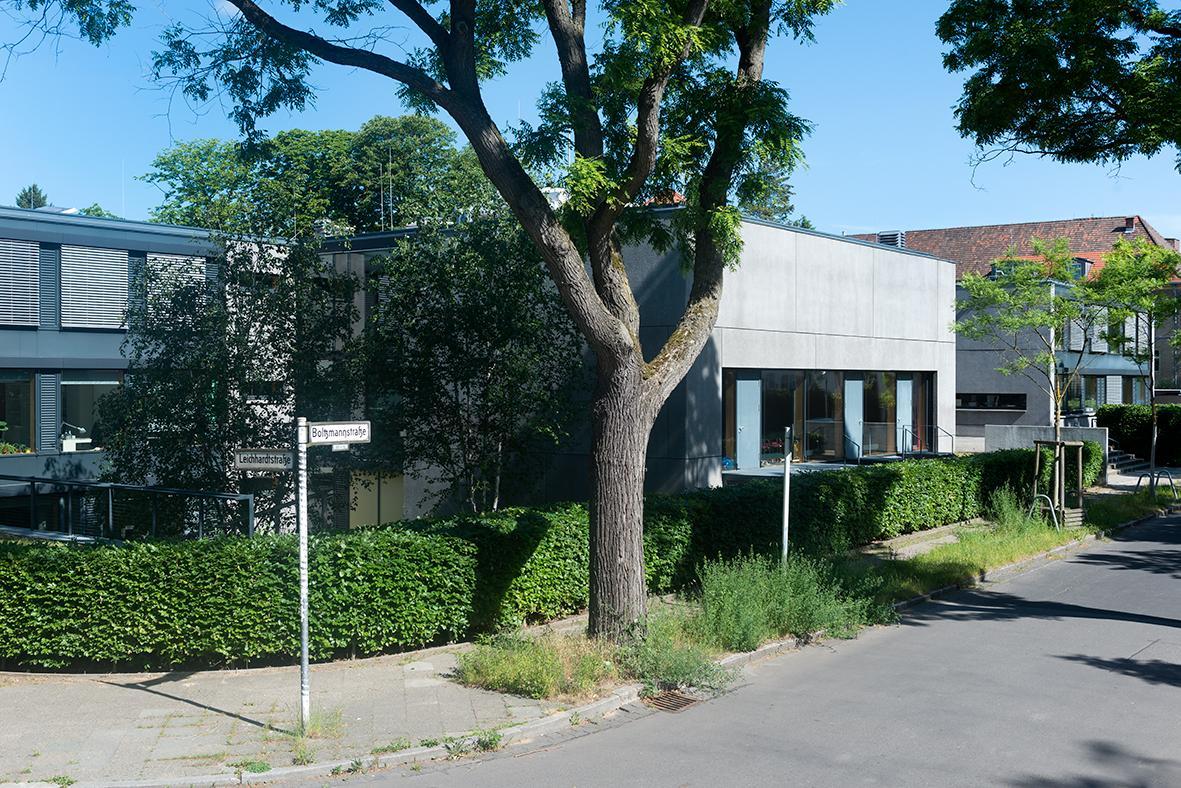
Photo: © 2017 www.setform.de.
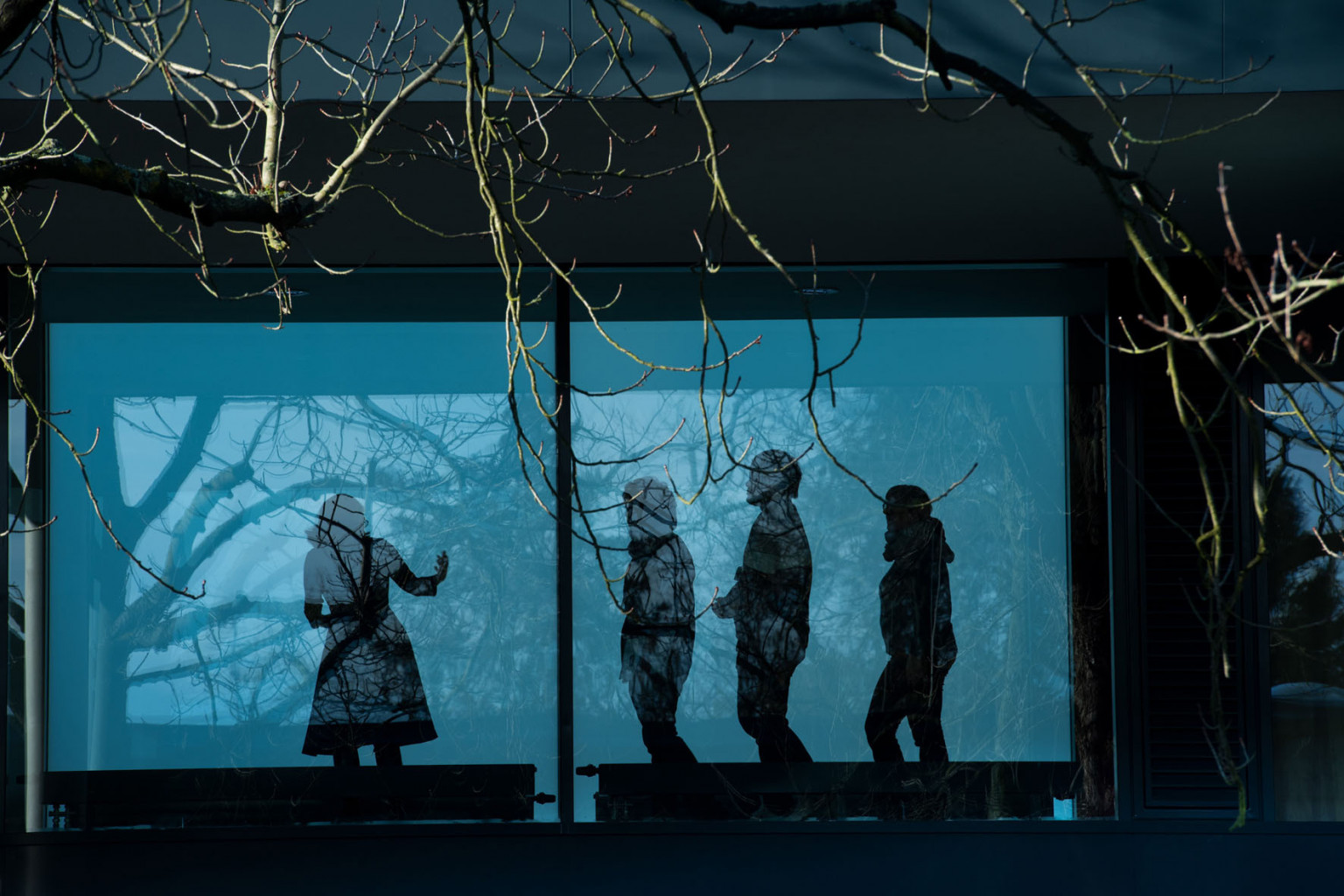
Foto: https://ausserhofer.de/
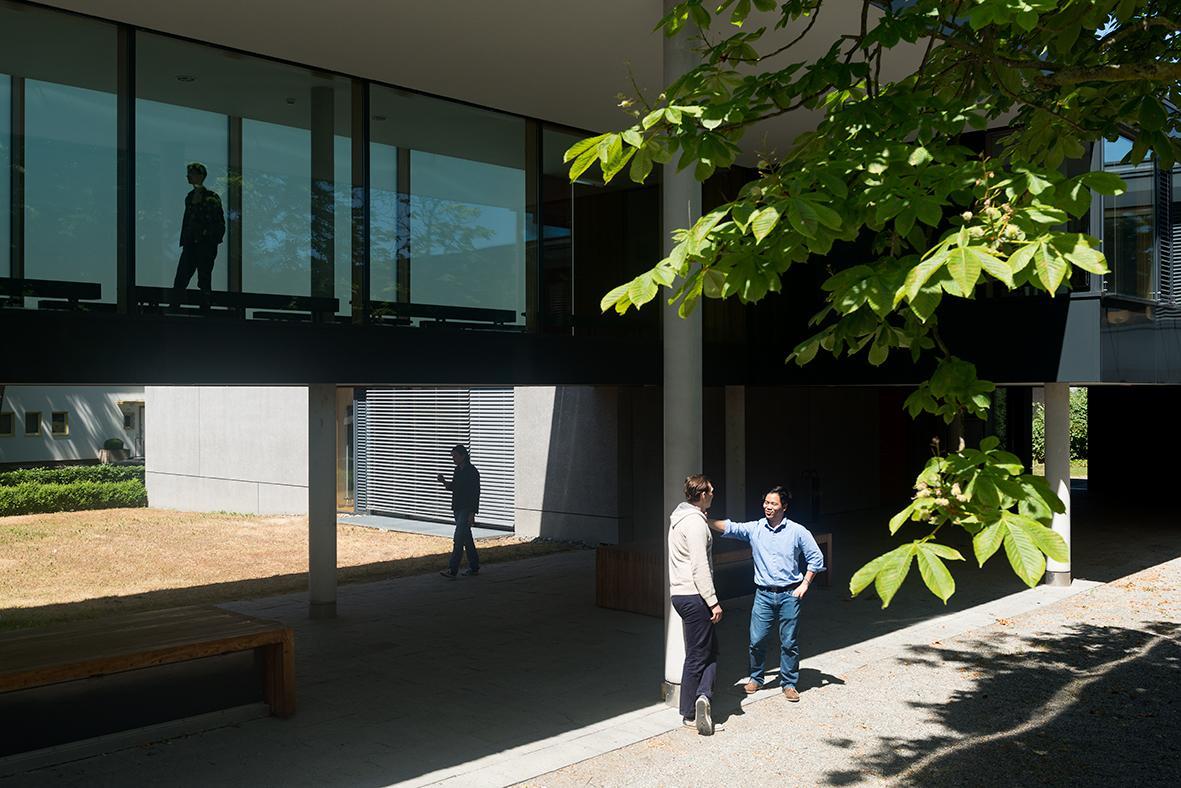
Photo: © 2017 www.setform.de.
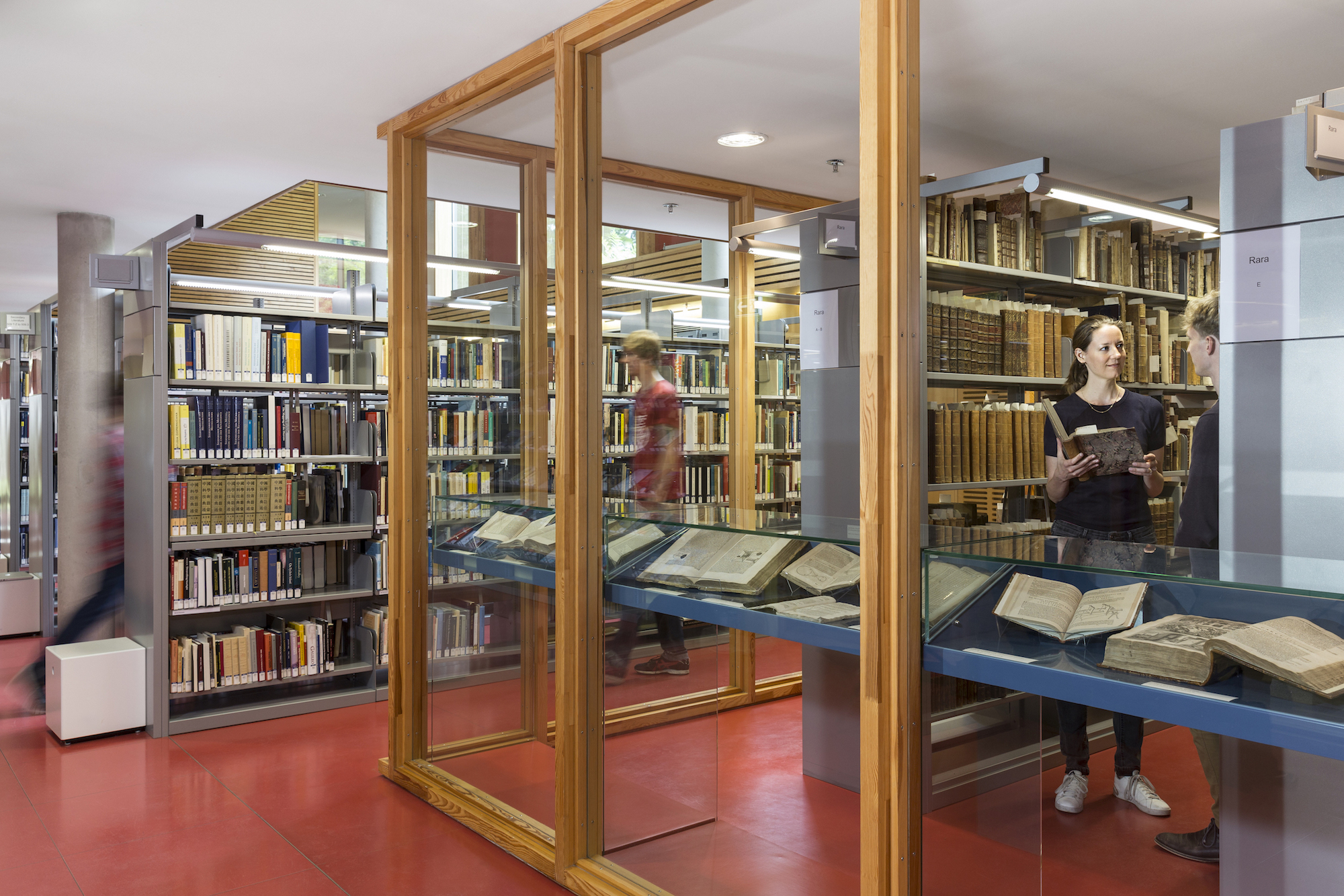
© 2017 www.setform.de.
The Institute’s research projects span all eras of human history, as well as all cultures north, south, east, and west. The Institute’s projects canvass an array of scientific areas, ranging from the origins of continuity systems in Mesopotamia to present-day neuroscience, Renaissance natural history, and the origins of quantum mechanics.
The Institute's researchers explore the changing meaning of fundamental scientific concepts (for example number, force, heredity, space) as well as how cultural developments shape fundamental scientific practices (for example argument, proof, experiment, classification). They examine how bodies of knowledge originally devised to address specific local problems became universalized.
The work of the Institute's scholars forms the basis of a theoretically oriented history of science which considers scientific thinking from a variety of methodological and interdisciplinary perspectives. The Institute draws on the reflective potential of the history of science to address current challenges in scientific scholarship.
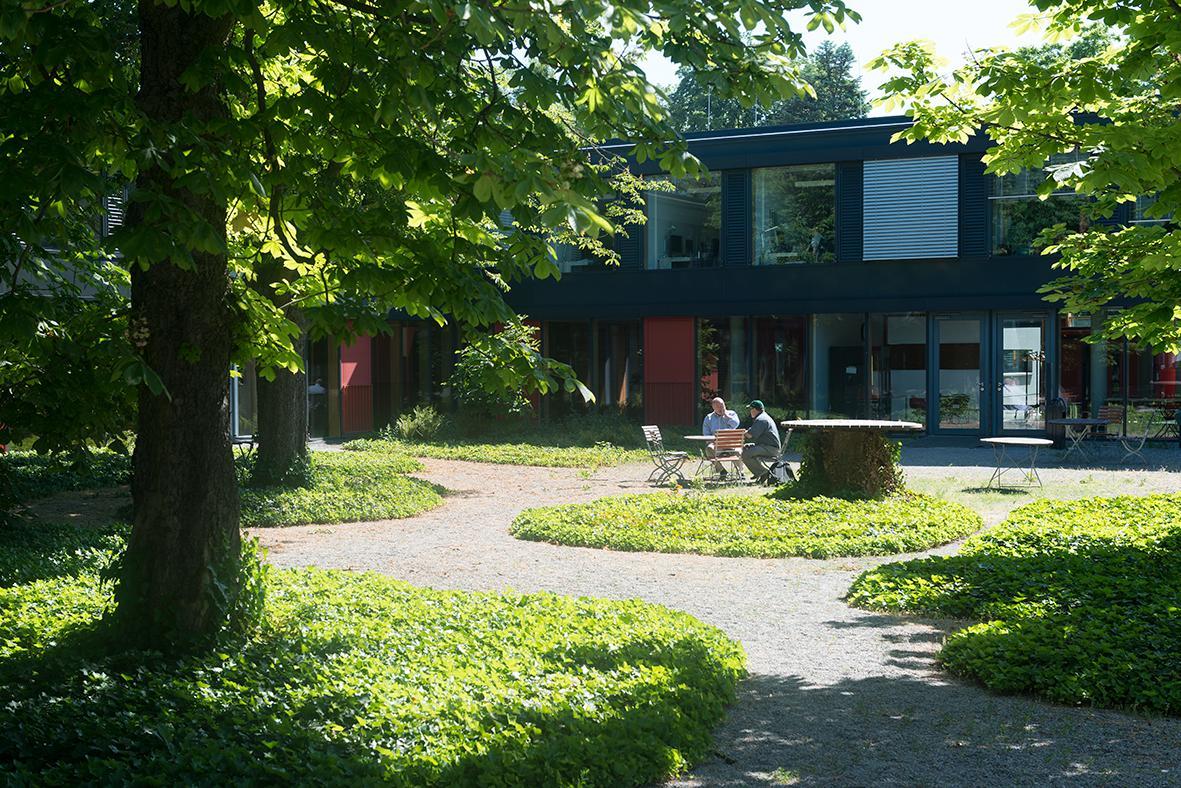
Photo: © 2017 www.setform.de.