Book
The Book of Disputation: A Mudejar Religious-Philosophical Treatise against Christians and Jews. A Study and Accompanying Text Edition
-
Monica Colominas Aparicio
This is the first critical edition and study of a unique and important Muslim polemic against Christians and Jews. The Book of Disputation was written in Arabic by a Mudejar and offers new insight into the cultural and intellectual life of this Muslim minority.
MEHR
Book
宅中图大: 朱元璋与南京营造. Zhai zhong tu da: Zhu Yuanzhang yu Nanjing yingzao
明初南京城的营建,以“墙”的建筑形态,诠释了都城作为“国之中土”的法统秩序,反映了朱元璋追求“宅中图大”的思想历程,以实现其大明开国都城传统意义上的“居于中心,谋划四方”。本书从理念、规划、建制、修筑等层面,对明初定都、建都诸问题作了系统梳理,尤其对两京制与中都的立废、城市布局与建筑等级、南京两次城建与“国之中土”的关系作了细致阐释;并通过释读南京城墙砖文,不仅明确了城墙营建的相关史实,且揭示出明初劳役组织形式以及基层社会的运行状态。
MEHR
Book
Biological Motion: A History of Life
Biological Motion studies the foundational relationship between motion and life. To answer the question, “What is Life?,” prize-winning historian of science Janina Wellmann engages in a transdisciplinary investigation of motion as the most profound definition of living existence.
MEHR
Working Group Volume
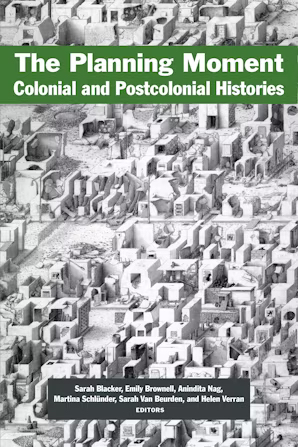
The Planning Moment: Colonial and Postcolonial Histories
The Planning Moment elaborates the myriad ways that plans and planning practices pervade recent global history.
MEHR
Book
Beekeeping in the End Times
Every hundred years, as the story goes, two angels wonder out loud whether the bees are still swarming. For as long as the bees are swarming, the angels are reassured, the world holds together. Still, the tale suggests, the angels live in anxious anticipation of the End. Local beekeepers in Bosnia and Herzegovina retell the old tale with growing unease, as their honeybees weather the ground effects of climate change.
MEHR
Book
The Manchu Language at Court and in the Bureaucracy under the Qianlong Emperor
This is the first book-length study of the roles played by the Manchu language at the center of the Qing empire at the height of its power in the eighteenth century.
MEHR
Book
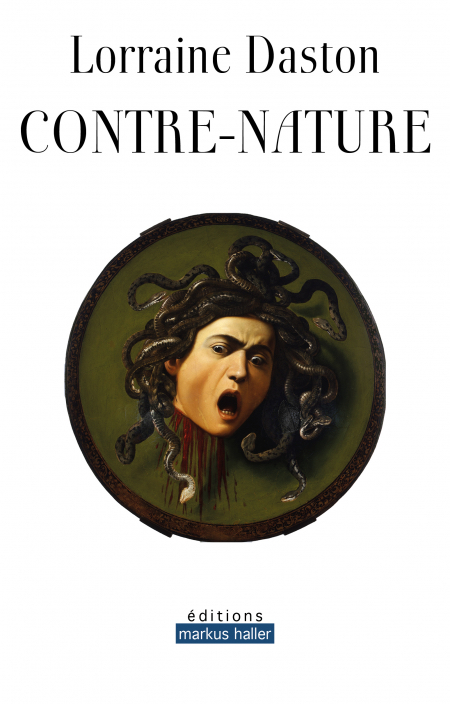
Contre-nature
Quelle que soit l’époque ou la culture, les humains se sont référés à la nature pour justifier les normes. Ainsi, depuis l’Antiquité, une action jugée contre-nature est, de ce fait, condamnée moralement.
MEHR
Book
La evolución del conocimiento: repensando la ciencia para el antropoceno
Este libro presenta una nueva forma de pensar sobre la historia de la ciencia y la tecnología, ofreciendo una metanarrativa de la historia de la humanidad en la que el conocimiento constituye un factor decisivo en la evolución cultural.
MEHR
Book
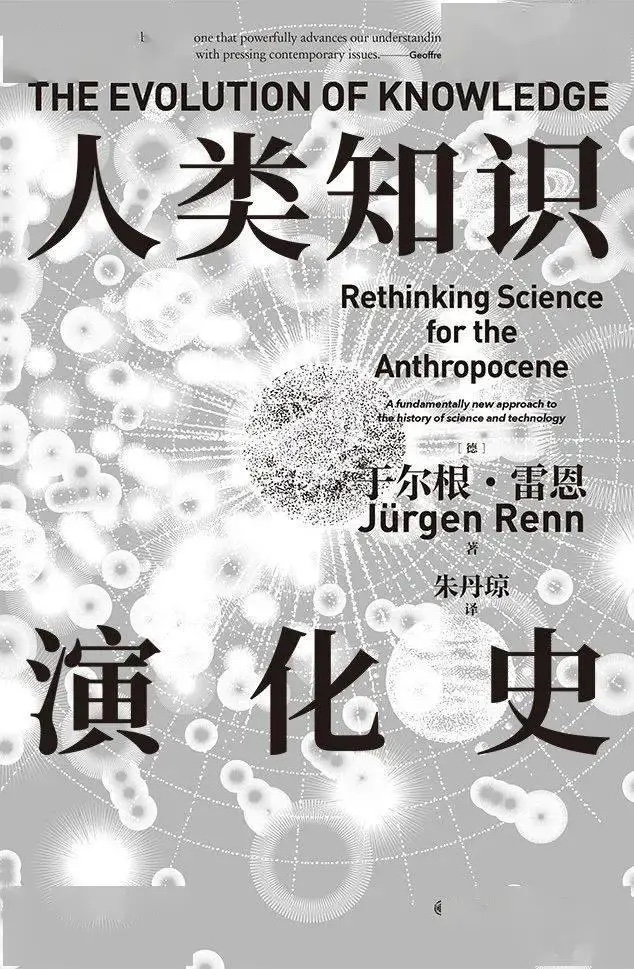
人类知识演化史 Ren lei zhi shi yan hua shi [The Evolution of Knowledge: Rethinking Science for the Anthropocene]
This book presents a new way of thinking about the history of science and technology, one that offers a grand narrative of human history in which knowledge serves as a critical factor of cultural evolution.
MEHR
Edited Book
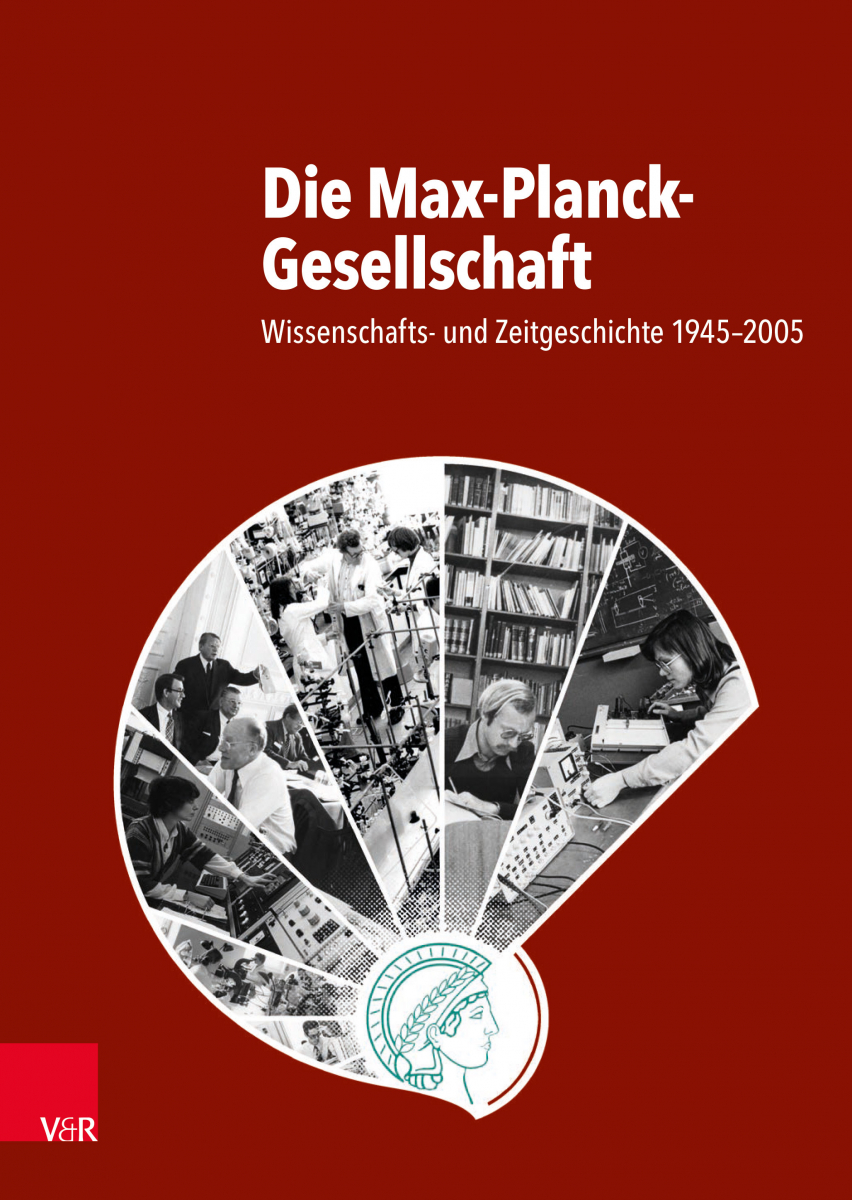
Die Max-Planck-Gesellschaft: Wissenschafts- und Zeitgeschichte 1945–2005
-
Jürgen RennCarsten ReinhardtJürgen KockaFlorian SchmaltzBirgit KolboskeJaromír Dittmann-BalcarAlexander von Schwerin
Dieser Band stellt die Geschichte der Max-Planck-Gesellschaft von der Gründung bis ins erste Jahrzehnt unseres Jahrhunderts umfassend dar, im Ergebnis mehrjähriger Forschungen eines interdisziplinären Forschungsteams.
MEHR
Book
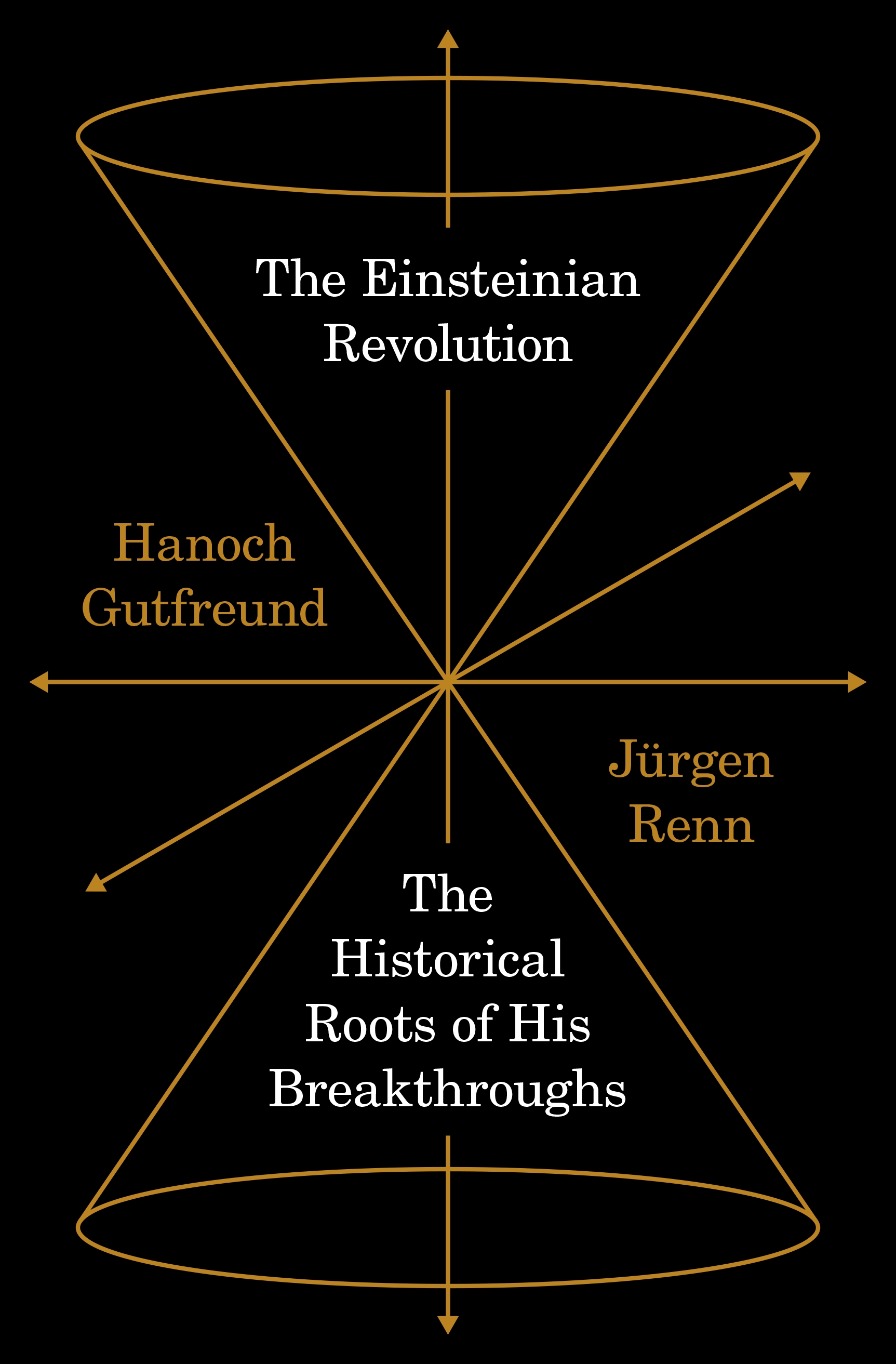
The Einsteinian Revolution: The Historical Roots of His Breakthroughs
-
Hanoch GutfreundJürgen Renn
The revolution that emerged from Albert Einstein’s work in the early twentieth century transformed our understanding of space, time, motion, gravity, matter, and radiation. Beginning with Einstein’s miracle year of 1905 and continuing through his development of the theory of general relativity, Einstein spurred a revolution that continues to reverberate in modern-day physics.
MEHR
Book
The Sciences in Islamicate Societies in Context: Patronage, Education, Narratives
This Variorum volume reprints ten papers on contextual elements of the so-called ancient sciences in Islamicate societies between the thirteenth and the seventeenth centuries. They address four major themes: the ancient sciences in educational institutions; courtly patronage of science; the role of the astral and other sciences in the Mamluk sultanate; and narratives about knowledge.
MEHR
Book
Historiography of the History of Science in Islamicate Societies: Practices, Concepts, Questions
This book presents eight papers about important historiographical issues as debated in the history of science in Islamicate societies, the history of science and philosophy of medieval Latin Europe and the history of mathematics as an academic discipline.
MEHR
Book
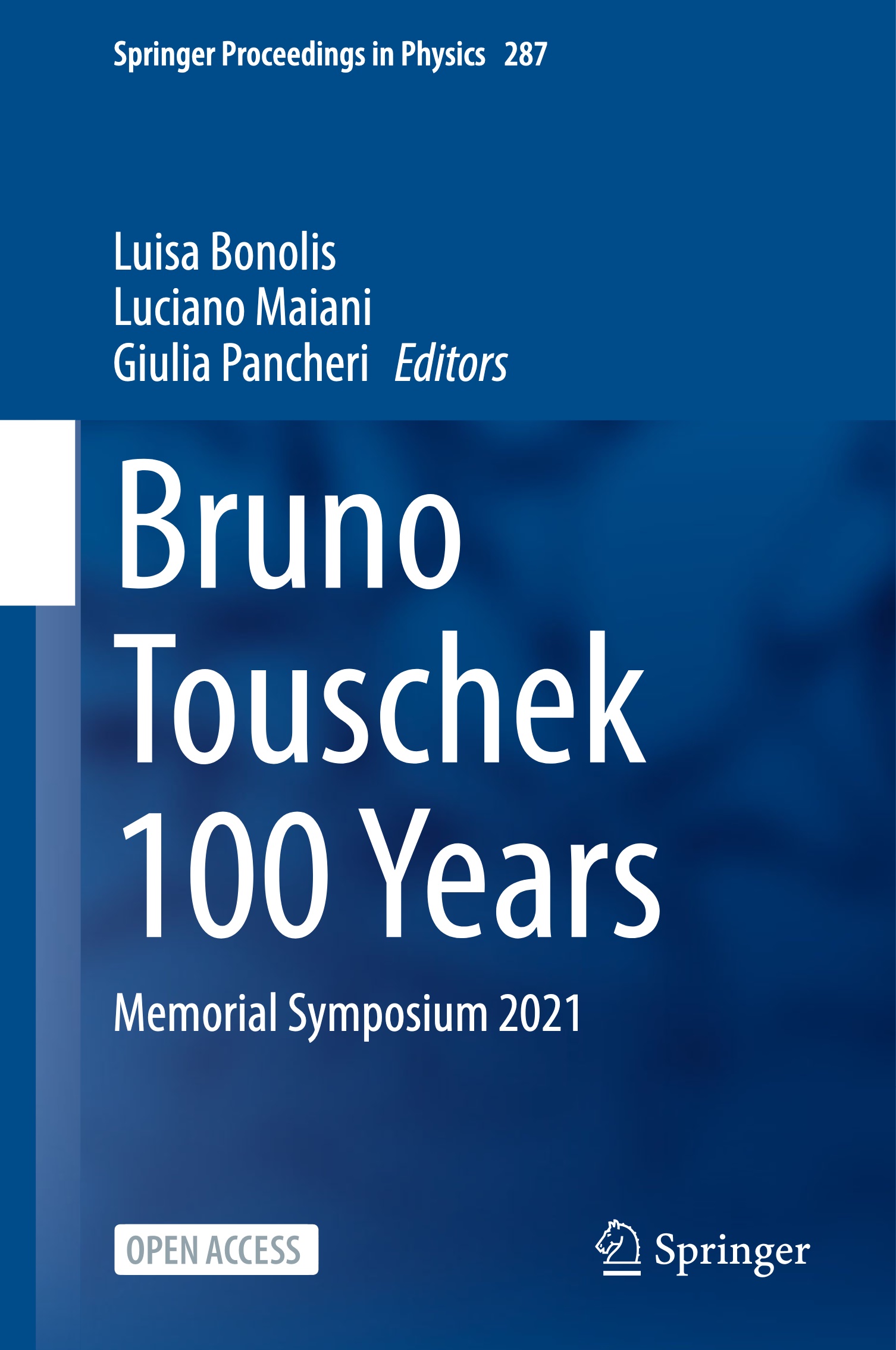
Bruno Touschek 100 Years: Memorial Symposium 2021
This open access book celebrates the contribution of Bruno Touschek to theoretical physics and particle colliders in Europe. It contains direct testimonials from his former students, collaborators, and eminent scientists, among them, two Nobel Prize winners in Physics, Giorgio Parisi and Carlo Rubbia.
MEHR
Book
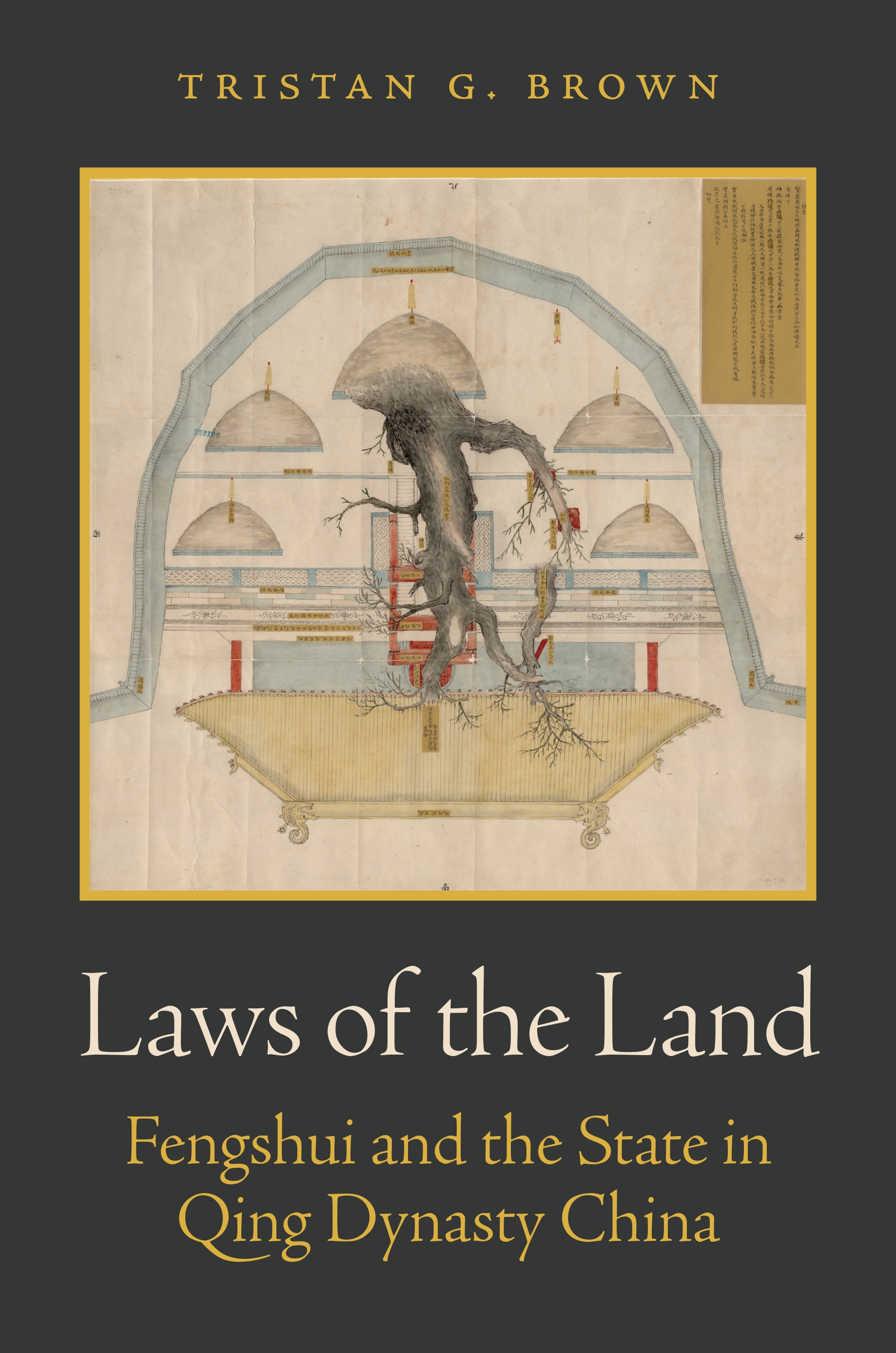
Laws of the Land: Fengshui and the State in Qing Dynasty China
Today the term fengshui, which literally means “wind and water,” is recognized around the world. Yet few know exactly what it means, let alone its fascinating history. In Laws of the Land, Tristan Brown tells the story of the important roles—especially legal ones—played by fengshui in Chinese society during China’s last imperial dynasty, the Manchu Qing (1644–1912).
MEHR
Book
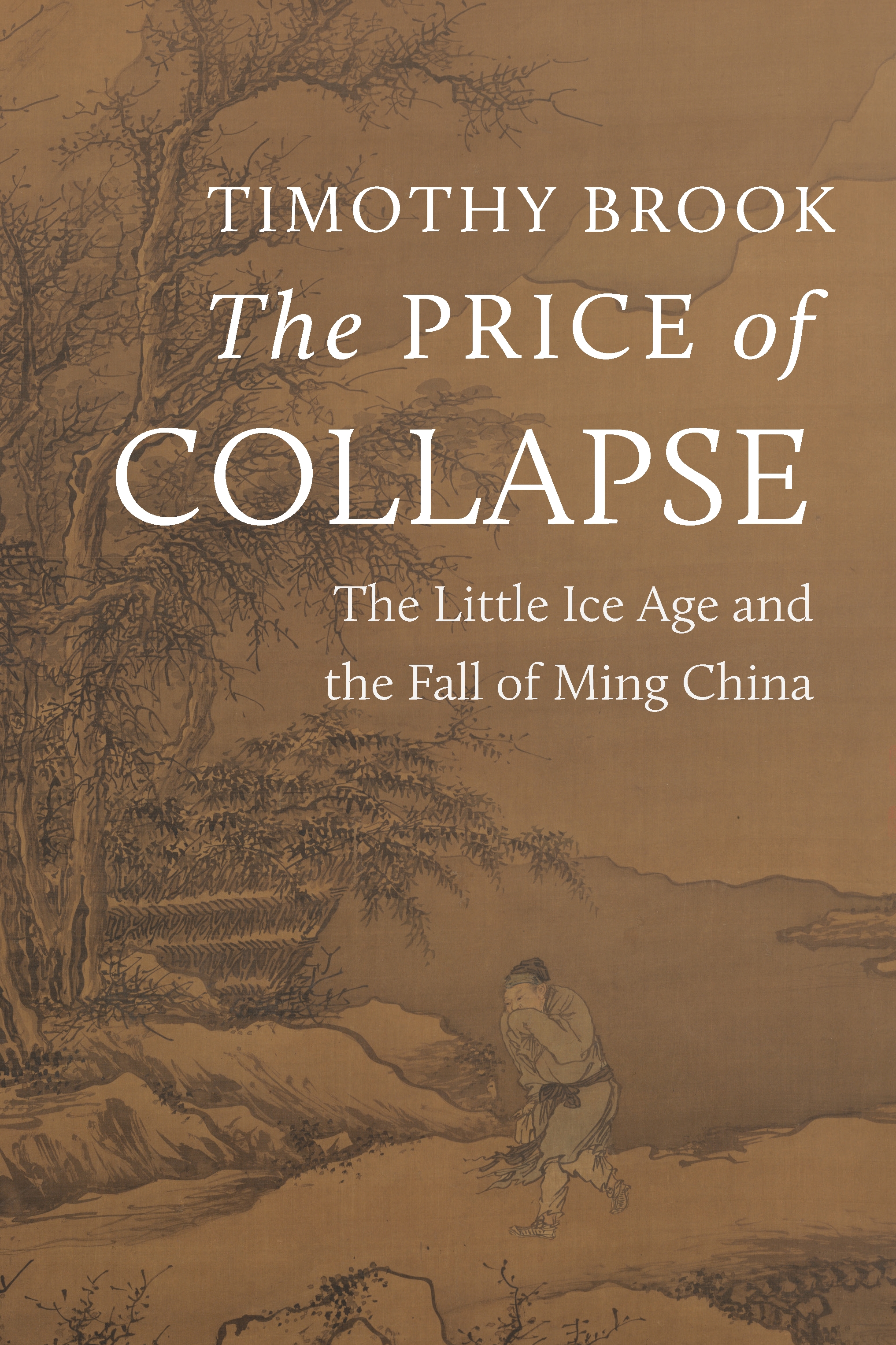
The Price of Collapse: The Little Ice Age and the Fall of Ming China
In 1644, after close to three centuries of relative stability and prosperity, the Ming dynasty collapsed. Many historians attribute its demise to the Manchu invasion of China, but the truth is far more profound. The Price of Collapse provides an entirely new approach to the economic and social history of China, exploring how global climate crisis spelled the end of Ming rule
MEHR
Book
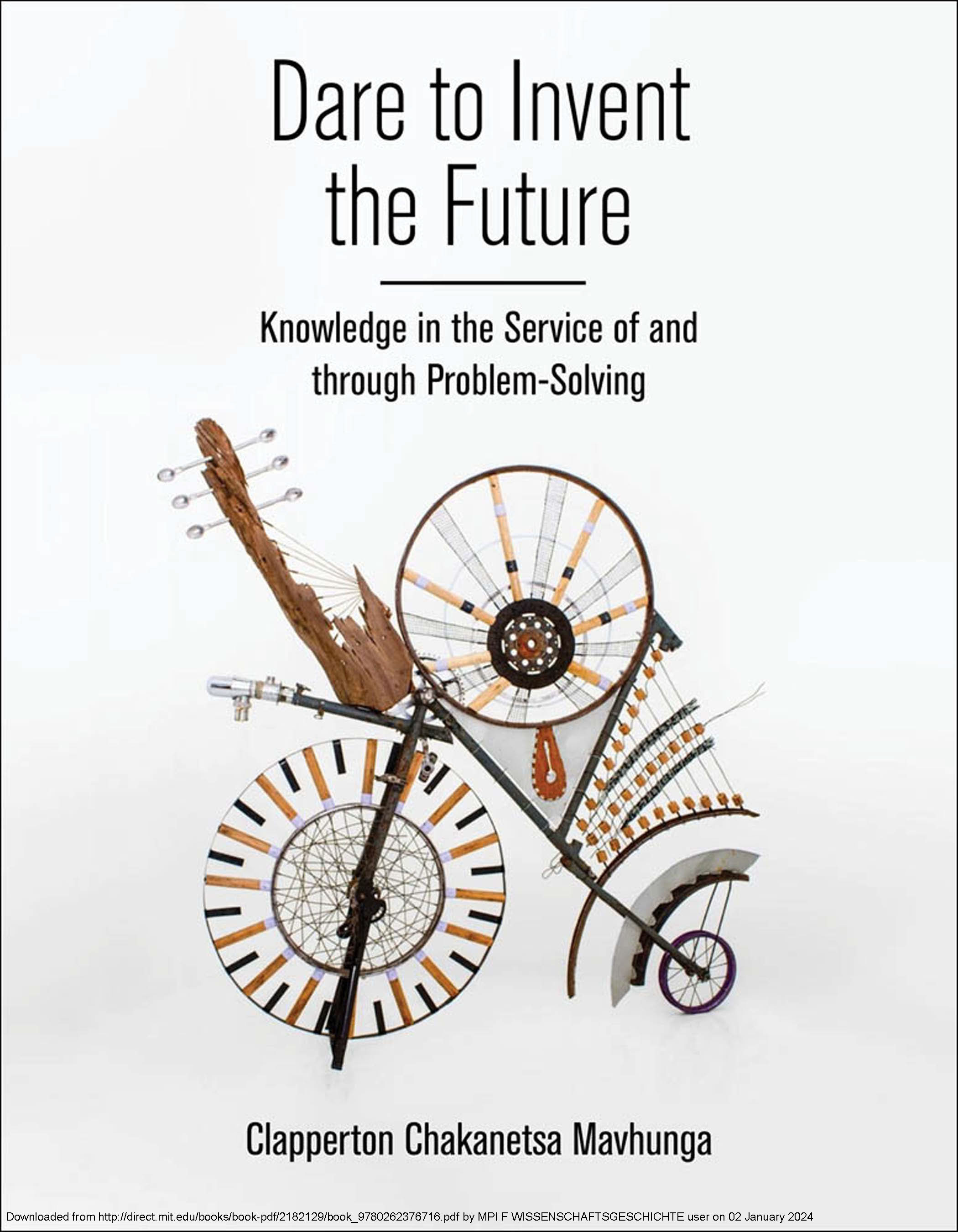
Dare to Invent the Future: Knowledge in the Service of and through Problem-Solving
-
Clapperton Chakanetsa Mavhunga
A rallying manifesto for the innovative problem-solving we need to build a better, more verdant, and sustainable planetary existence.
MEHR
Book
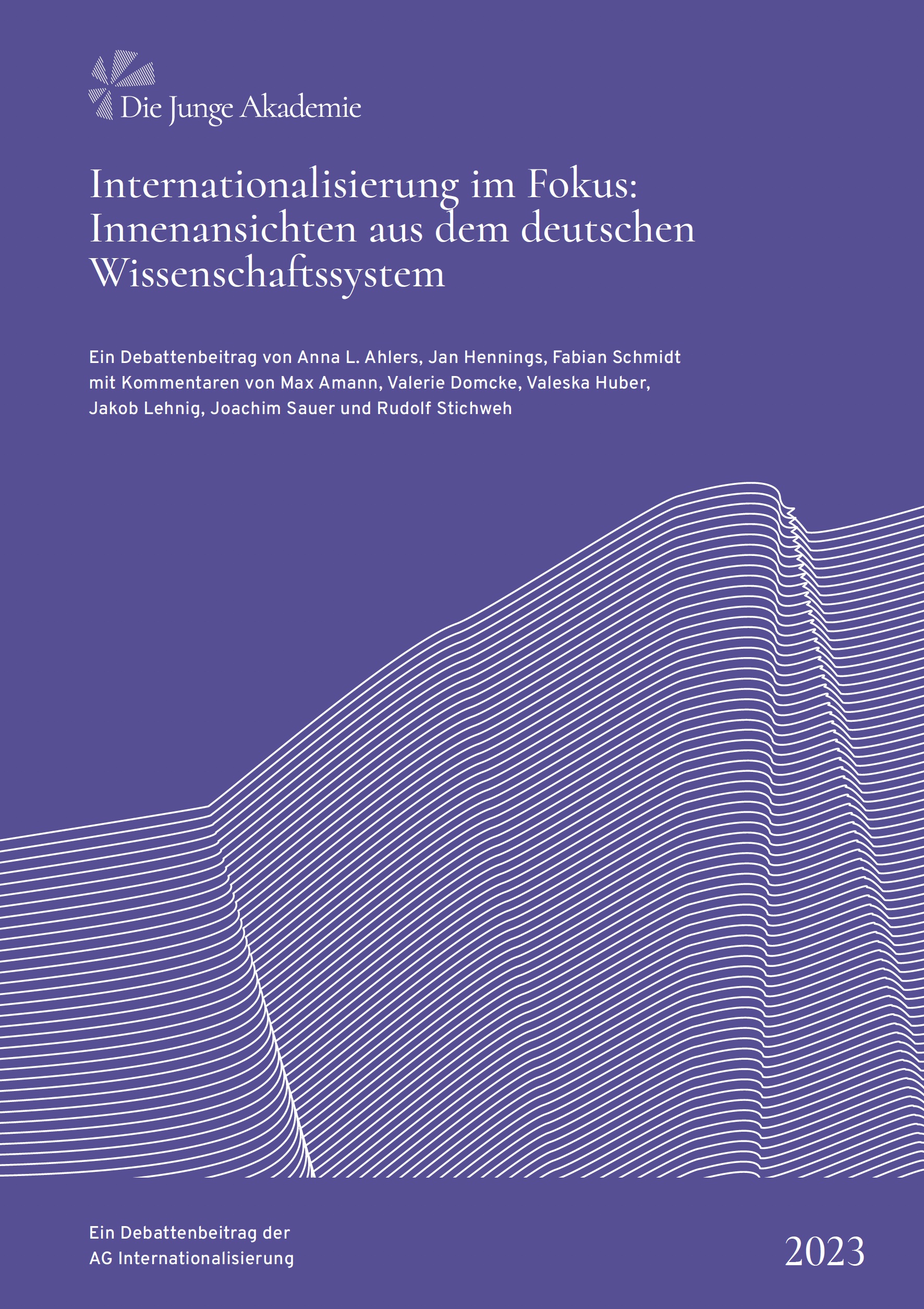
Internationalisierung im Fokus: Innenansichten aus dem deutschen Wissenschaftssystem
Das Wissenschaftssystem in Deutschland erlebt eine Phase rasanter Internationalisierung: Globale Vernetzung gilt als Voraussetzung, Merkmal oder Garant wissenschaftlicher Spitzenforschung. Forschung ohne internationalen Einfluss und Anschluss wirkt heute undenkbar und rückständig.
MEHR
Edited Book
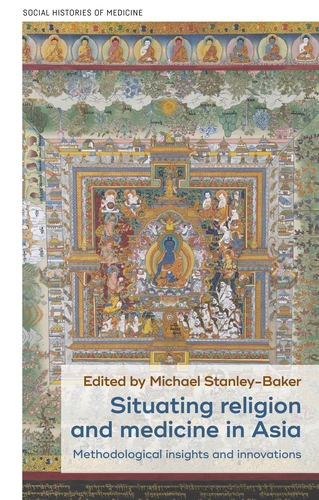
Situating Religion and Medicine in Asia: Methodological Insights and Innovations
This edited volume presents the latest research on the intersection of religion and medicine in Asia. It features chapters by internationally known scholars, who bring to bear a range of methodological and geographic expertise on this topic.
MEHR
Book
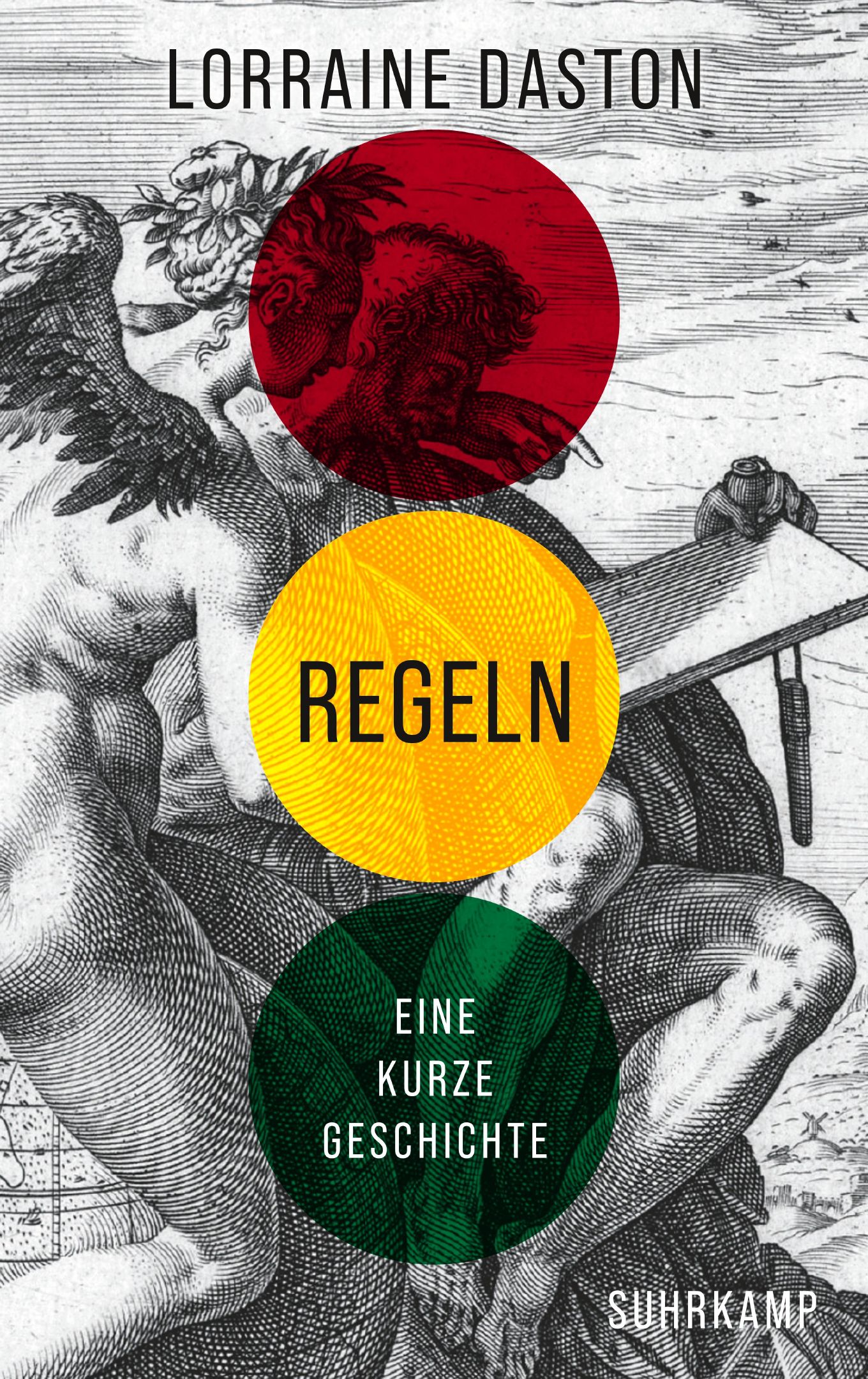
Regeln. Eine kurze Geschichte
In ihrem reich bebilderten Buch zeichnet die Historikerin Lorraine Daston nach, wie sich Regeln in der westlichen Tradition seit der Antike entwickelt haben.
MEHR